
daily journal app for one line a day
Daily Journal App for One Line a Day with short entry rhythm and phone-app choice
Daily Journal App for One Line a Day can feel broad, so this page narrows it to short entry rhythm. If you came looking for examples, app choice, privacy, the practical question is whether you can capture a small everyday memory before the moment goes flat.
The answer below treats phone-app choice as the path, not a feature list. You will see a compact entry frame, a everyday memory check, and a Mongle Haru use case built around one-screen start.
Daily Journal App for One Line a Day should solve short entries that still have a scene
A useful page about daily journal app for one line a day starts with the moment someone is trying to keep. For short entries that still have a scene, the diary has to be fast enough to open today and clear enough to understand next week.
Read this as an app selection guide: judge how quickly the editor opens, whether a short note still looks finished, and whether visual tools stay close to the sentence they explain.
The practical question is simple: what should be written before the decoration, photo, prompt, or sticker appears? Keep the first line concrete, then let the visual layer support the memory instead of replacing it.
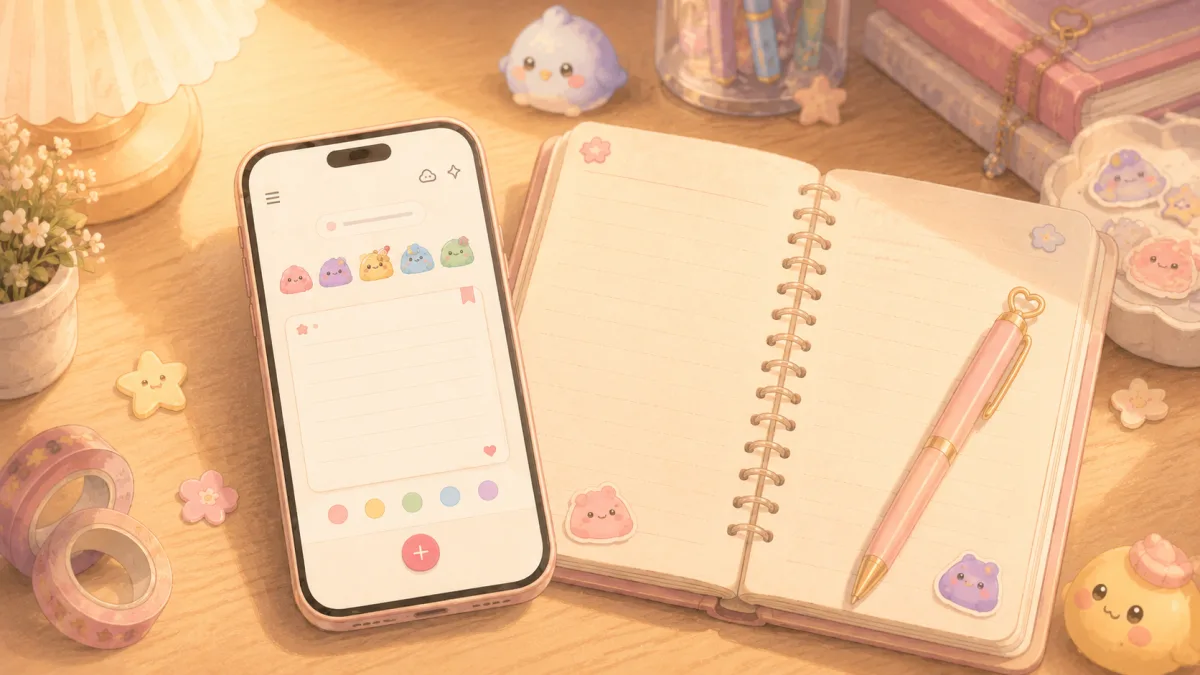
A copyable entry for daily journal app for one line a day: short entries that still have a scene
Try a small entry before judging the app:
Today was ordinary, but short entries that still have a scene still deserves a trace. One line is enough to make the day findable later.
This kind of line works because it names a scene, a feeling, and one reason the note may matter later. It is short, but it is not empty. If daily journal app for one line a day cannot make that first entry easy, the extra features will not fix the routine.
| Part of the entry | What to write | Why it helps |
|---|---|---|
| Scene | one concrete detail from short entries that still have a scene | Gives the note a place in the day |
| Feeling | the mood that stayed after the moment | Keeps the emotional reason visible |
| Return cue | a sticker, photo, time, place, or phrase that makes the note findable | Makes the entry easier to find later |
Feature checks before choosing daily journal app for one line a day
Choose the app by the writing flow, not by the longest feature list. For daily journal app for one line a day, the first screen should make the next sentence obvious.
Check whether the editor opens quickly, whether short notes still look complete, whether photos or stickers stay close to the sentence they explain, and whether the timeline or calendar makes old entries easy to scan. Avoid any setup that makes a small diary feel like a project.
Short entry rhythm in daily journal app for one line a day
For daily journal app for one line a day, the first win is not choosing every setting. It is noticing the one detail that makes the day recognizable while a small everyday memory is still fresh, then giving that detail a place on the page.
Use the phone-app choice lens: if examples, app choice, privacy does not make the note easier to reread, leave it out. A short entry with short entry rhythm will usually beat a crowded page that hides the actual memory.
A everyday memory entry frame for daily journal app for one line a day
Draft the page in this order before decorating or comparing apps:
I want to keep a small everyday memory because small days become hard to remember later. The clue I should remember is ___. The part I can let go of is ___.
Then add a mood sticker, a short line, and an easy reread path. That sequence gives the reader a usable result instead of another generic diary tip.
One-screen start checks for daily journal app for one line a day
Judge the app by the moment it serves: does it open fast, keep the sentence visible, and let you find this entry again by the clue that matters for short entry rhythm? Those checks are stricter than counting every feature on the page.
Mongle Haru fits this route when a mood sticker, a short line, and an easy reread path supports the written sentence. If the visual layer starts taking over, return to one line, one feeling, and one date before adding anything else.
Specific cues for daily journal app for one line a day
The specific angle for this page is open write save flow for daily journal app for one line a day. To keep daily journal app for one line a day distinct from nearby diary guides, check three concrete cues: the daily habit need is named before features appear; the first sentence keeps one concrete scene; the final note has a cue that makes it findable later.
If one cue is missing, add a sharper sentence before adding another sticker, photo, or prompt. That gives the page its own reason to exist instead of repeating a broad diary app checklist.
Using Mongle Haru for daily journal app for one line a day and daily notes that stay small
Mongle Haru fits when the entry needs a visual cue without turning into a feed or a productivity board. You can write a short diary, add a mood sticker, place collected stickers on the page, attach photos when they add context, and use timeline fragments for days with several small scenes.
Lucky Mongle Cookie can also be a light prompt when the blank page is the hard part. Treat it as a playful starting point, then write your own sentence so the note still sounds like you.

A 30-second save test for daily journal app for one line a day
Before saving, read the entry once and ask three things: can I see the moment, can I hear the feeling, and will I know why this mattered when I return later?
For daily journal app for one line a day, a good note can be short. It only needs one honest sentence, one useful cue, and a visual detail that makes the page easier to revisit.
FAQ
What should I write first in daily journal app for one line a day?
Start with one scene from short entries that still have a scene, one feeling, and one reason you may want to revisit it. A short entry is enough when it gives future you real context.
Which feature matters most for daily journal app for one line a day?
The most important feature is the one that helps you finish the entry. Depending on the moment, that may be a mood sticker, a photo, a timeline fragment, a simple prompt, or free sticker placement.
How does Mongle Haru fit this use case?
Mongle Haru is a sticker-based emotional diary where you can write short notes, add mood stickers, place collected stickers, attach photos, use timeline fragments, and start from a Lucky Mongle Cookie prompt when you need a gentle opening line.
How should I start daily journal app for one line a day without making it too broad?
Start with short entry rhythm: write one sentence about a small everyday memory, then add the cue that explains why the moment mattered. Keep decoration or settings secondary until the note has context.
Where does Mongle Haru help with daily journal app for one line a day?
Mongle Haru helps when a mood sticker, a short line, and an easy reread path makes the entry easier to revisit. It is a good fit for a private, cute page where the sentence still stays visible.
Write the short entry rhythm entry
Open Mongle Haru, capture a small everyday memory in one sentence, then add a mood sticker, a short line, and an easy reread path only if it makes the memory clearer.